




















Custom Software vs Ready-Made Apps: How to Decide
Custom software or a ready-made app? A clear guide to cost, time, fit and risk, with questions to ask before you commit, so you choose the right path for your business.
Hexa Secure Labs · · 6 min read

Your team uses four tools, two spreadsheets and a group chat to run one process. Every week someone copies data from one into another, and every month something gets lost on the way. You have looked at ready-made apps, and none quite fit. A developer has quoted for custom software, and the number made you pause. Custom software vs ready-made is one of the most important technology decisions a growing business makes, and one of the easiest to get wrong in either direction.
This guide gives you a clear way to decide, without the sales pitch.
Key takeaways
- Ready-made software is faster to start and usually cheaper upfront.
- Custom software makes sense when your process is your competitive edge or no product fits.
- A middle path, ready-made software tailored to your fields, reports and workflows, often wins.
- Count the full cost: setup, training, data migration, support and security, not just licence or build.
- Whatever you choose, ask how it is secured, backed up and supported.
What is the difference between custom and ready-made software?
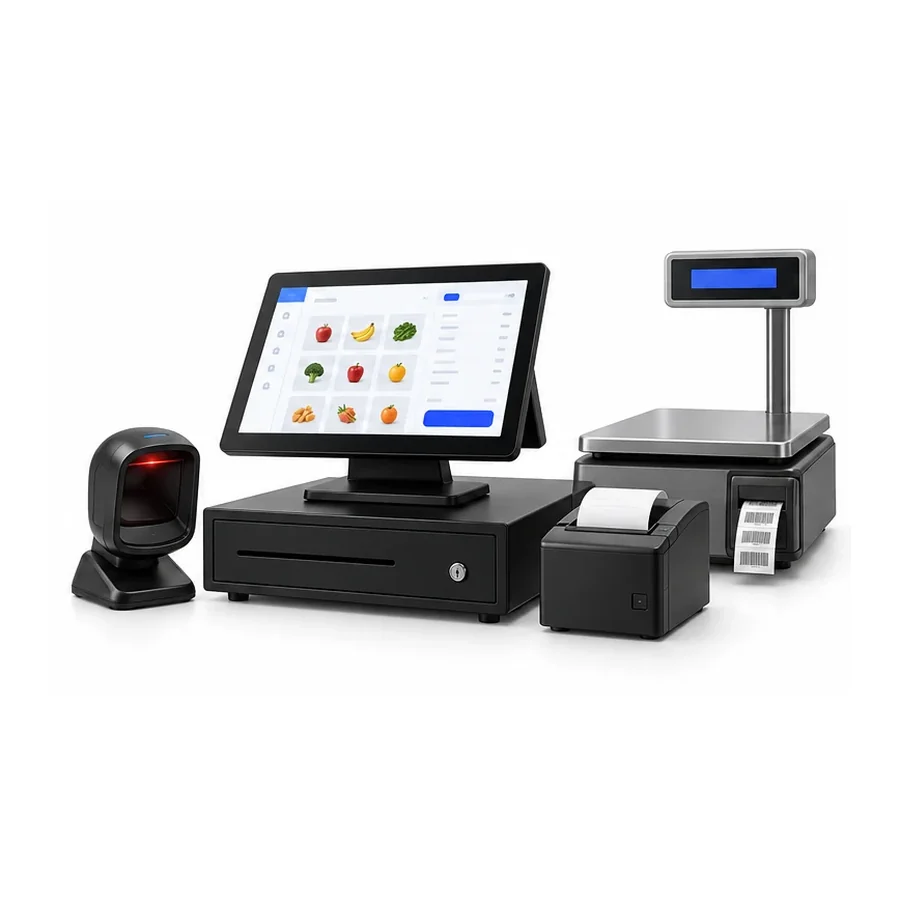
- Ready-made software (also called off-the-shelf or packaged software) is built once and used by many businesses. You configure it, but you do not change how it works at its core.
- Custom software is designed and built for your business. It does exactly what you specify, and you usually own the requirements and direction.
- Tailored ready-made software sits in between: a proven product adapted with your fields, reports, document formats and workflows.
Custom software vs ready-made: side-by-side comparison
| Ready-made app | Tailored ready-made | Custom software | |
|---|---|---|---|
| Time to start | Days to weeks | Weeks | Months, depending on scope |
| Upfront cost | Lowest | Moderate | Highest |
| Fit to your process | You adapt to it | Close fit for most needs | Exact fit |
| Proven in use | Yes, by many users | Yes, core is proven | New; needs testing |
| Ongoing changes | Vendor roadmap | Vendor plus your tailoring | You decide |
| Risk | Missing features | Limits of the core product | Scope creep, delays |
When ready-made software is the right choice
Ready-made is usually right when:
- Your process is standard for your industry. Billing, bookings, stock, payroll and memberships work broadly the same way in most businesses.
- You need to start soon. A ready-made system can be running in weeks.
- Your budget is limited. You share the cost of building and maintaining the product with other customers.
- You want proven reliability. Many businesses have already found and reported the problems.
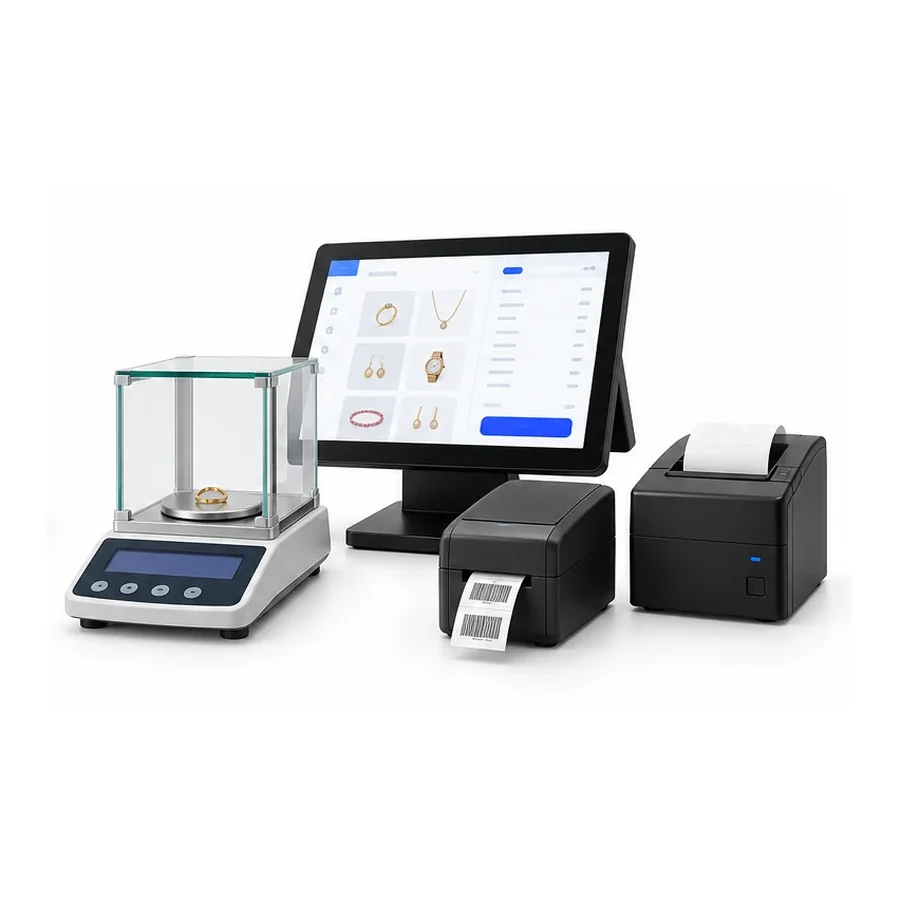
Hexa Secure Labs offers more than 20 ready-to-use business applications, from billing and retail to salons, hotels, gyms, clinics and schools, each with setup, data migration and staff training included.
When custom software is worth it
Custom software tends to pay off when:
- Your process is your advantage. The way you quote, schedule or deliver is what sets you apart, and squeezing it into a generic product would weaken it.
- No product fits. You have tried several and each needs so many workarounds that staff avoid it.
- You need deep integration. Your system must connect tightly with equipment, partners or existing internal systems.
- You are building a product. If the software is what you sell, you need to own it.
 Mapping your real process on a whiteboard usually shows whether a ready-made app fits or a custom build is needed.
The middle path: tailored ready-made software
Many businesses do not need to choose between the extremes. A proven product, tailored to your fields, reports, invoice formats and workflows, gives you most of the fit of custom software at a fraction of the time and risk.
This is how Hexa works with most customers. We start with the application closest to your industry and tailor it. Where your industry needs something truly different, we can build fully custom software, with security reviews at every stage, so it launches without known vulnerabilities.
Not sure which path fits? Book a free consultation and walk us through your process. We will tell you honestly whether one of our applications fits, or whether a custom build makes more sense.
Questions to ask before you decide
About your process
- Which steps take the most time today, and why?
- Which parts of your process are truly unique, and which are standard?
- What would "good enough" look like in the first three months?
About cost
- What is the full cost over three years: licence or build, setup, data migration, training, hosting, support and changes?
- Who pays for changes when your process evolves?
About risk
- What happens if the vendor or developer stops supporting the software?
- Can you get your data out in a usable format?
- How is the software secured, and has it been tested by someone other than the people who built it?
- Where is data stored, how often is it backed up, and how quickly can it be restored?
Our 7-point checklist for choosing business software covers several of these in more depth.
The hidden costs people forget
Whichever route you choose, budget for:
- Data migration. Customers, products, balances and history need to move cleanly.
- Training. A system nobody is comfortable using will not deliver results.
- Change management. Staff need to know why things are changing.
- Security. Business software holds financial and customer data. It should be tested before it reaches you.
- Support. Someone must answer the phone when something goes wrong.
At Hexa, setup, data migration and staff training are part of getting started, and support comes from real people. Every release is penetration-tested in-house by our security team. You can read more on our security page.
 Training on your own data and process is what turns new software into everyday habit.
"Custom software will be exactly what we want"
It will be exactly what you specify, which is not always the same thing. Requirements change as people use a system. Plan for an initial version focused on the essentials, then improve it based on real use.
"Ready-made software will force us to change everything"
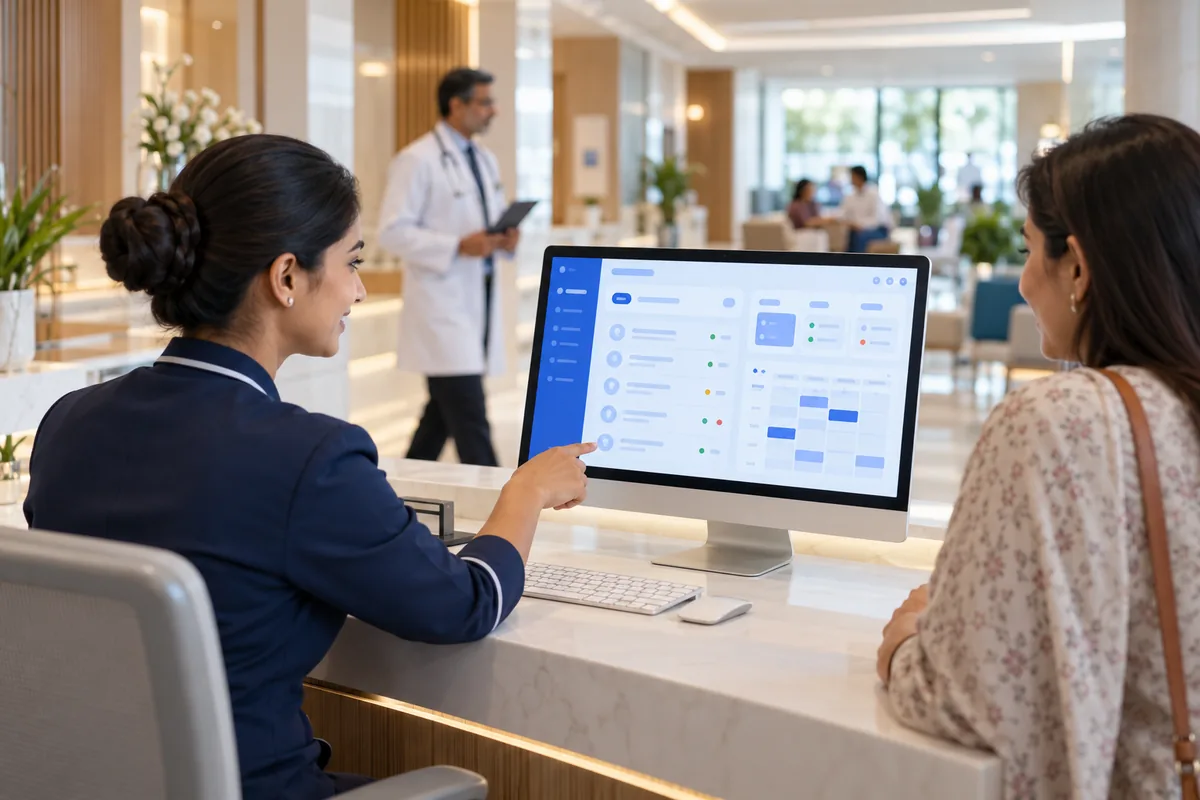
Good ready-made software is configurable. Fields, reports, document formats and workflows can often be adjusted. Ask for a demo using examples from your own business rather than a generic walkthrough.
"We'll start with spreadsheets and decide later"
Spreadsheets are a fine start. The danger is staying too long, until the data is scattered and the process depends on one person. If you are already copying data between tools every week, that moment has probably arrived.
Cloud or on-premise?
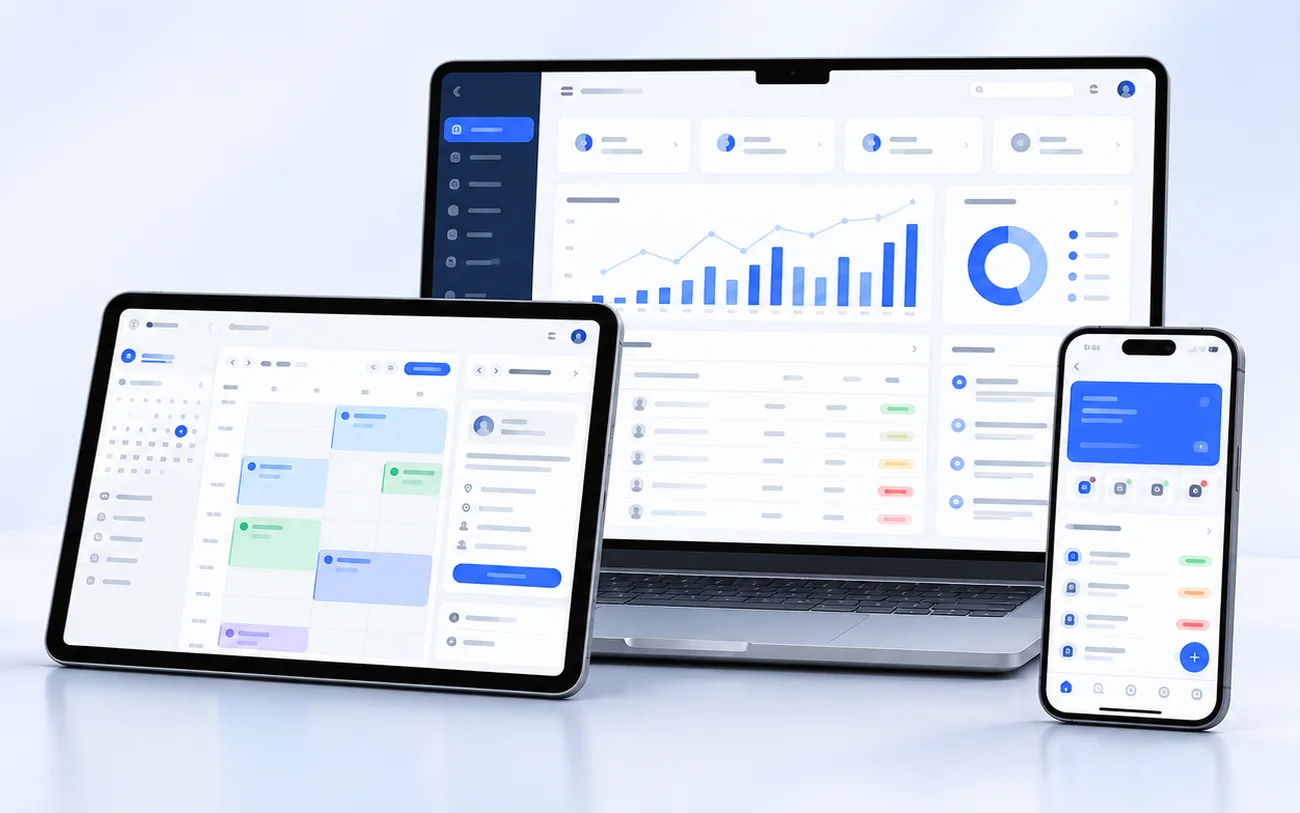
Many Hexa applications can run in the cloud, accessed through your browser from anywhere, or on-premise on your own server. Cloud is usually easier to start with; on-premise suits businesses with specific control or connectivity needs. Discuss this early, because it affects cost and support.
Make the decision with your eyes open
There is no universal winner. Ready-made is faster and cheaper to start. Custom fits exactly but costs more and takes longer. Tailored ready-made often gives the best balance. The right answer depends on how unique your process really is and how much risk you can carry.
Explore our ready-made applications, browse solutions by need, or book a free demo to talk it through with our team.
Frequently asked questions
Is custom software more expensive than ready-made?
Upfront, usually yes, because it is built for one business. Over time the difference depends on licence fees, changes and support. Compare the full cost over several years, not just the first invoice.
How long does custom software take to build?
It depends on scope. A focused first version can be delivered much sooner than a system that tries to do everything at once. Ready-made software can usually be running within weeks.
Can ready-made software be customised?
Often, yes. Hexa tailors fields, reports, invoice formats and workflows in its applications, and can build fully custom software when an industry needs it.
Who owns custom software?
Ownership depends on your contract. Agree in writing who owns the code, the data and the right to make changes before work begins.
How do I know the software is secure?
Ask whether releases are tested for security before they ship, how data is encrypted and how backups are handled. Every Hexa release is penetration-tested in-house.