



















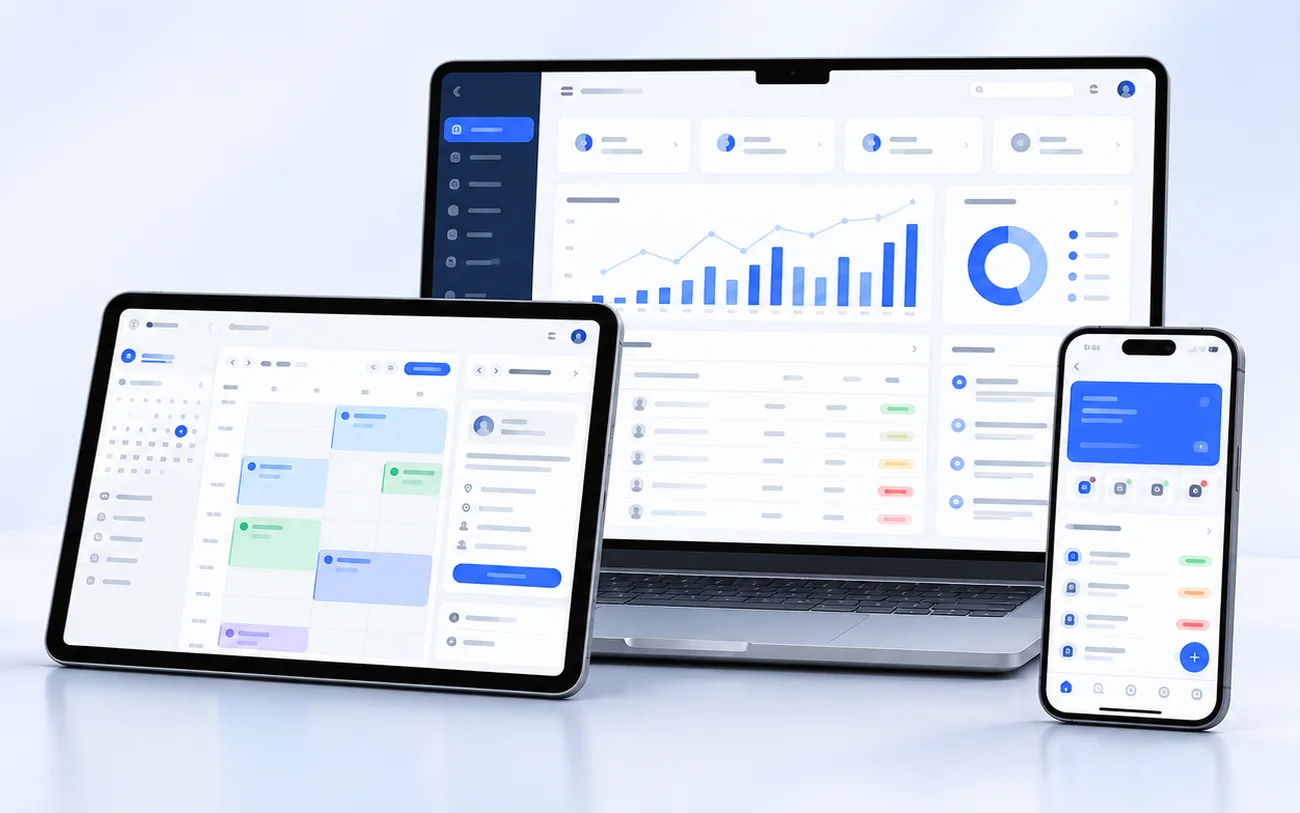
Healthcare
Hospital management system for small hospitals and nursing homes
What a hospital management system should do for small hospitals and nursing homes: OPD and IPD billing, pharmacy, lab, insurance claims and owner reports.
Hexa Secure Labs ·
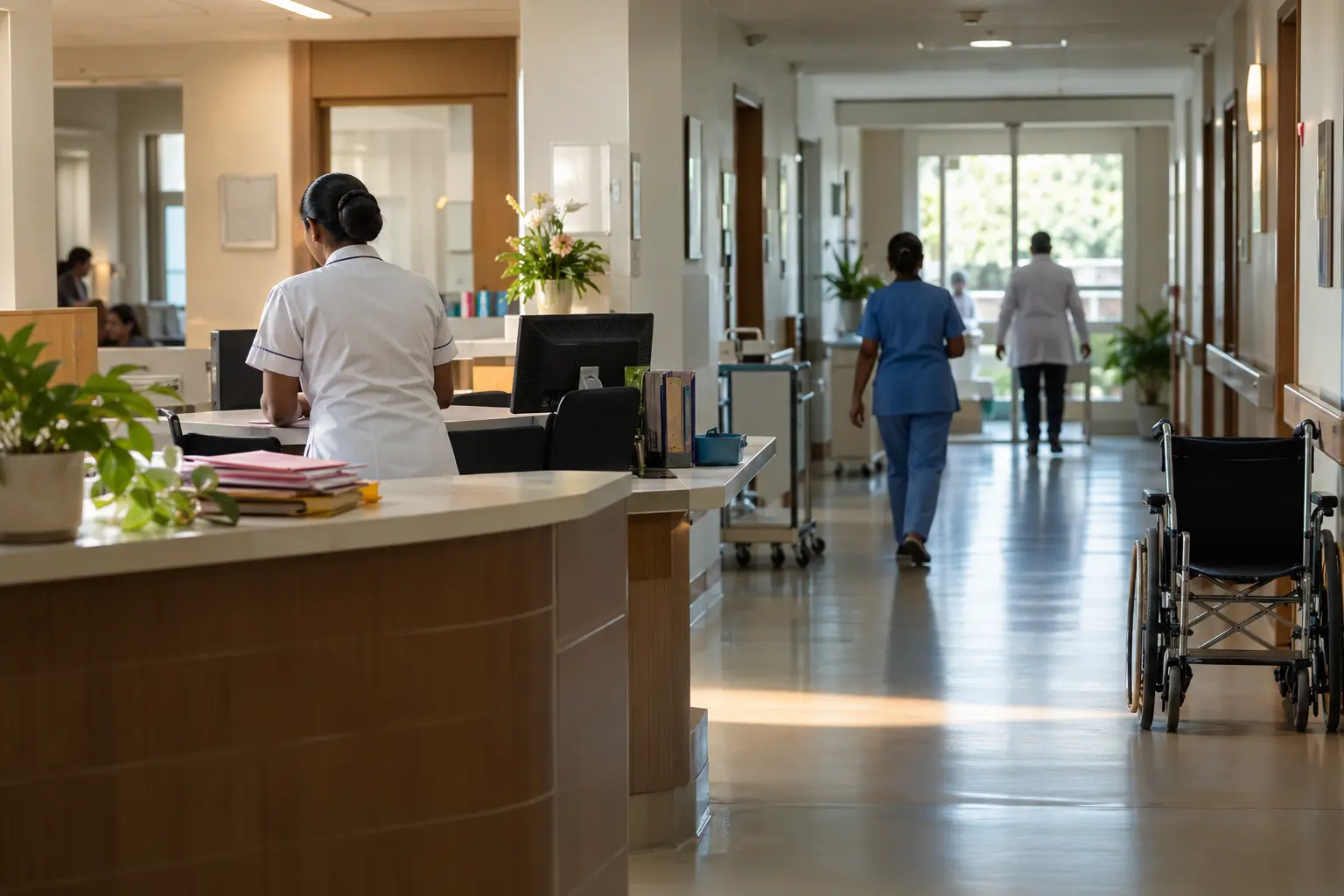
Small hospitals and nursing homes often run on a mix of registers, a separate billing program and a pharmacy system that does not talk to anything else. Patients repeat their details at every counter, charges slip through the cracks at discharge, and insurance files go back for corrections. A hospital management system (HMS) brings all of this onto one patient record.
This guide explains what an HMS for nursing homes and small hospitals should cover, how OPD IPD billing software prevents missed charges, and what to check before you commit.
Where small hospitals lose time and money
The problems are rarely dramatic. They are small leaks that add up every day:
- Repeated registration. The same patient is entered at the front desk, the pharmacy and the lab, often with different spellings.
- Missed charges. Room charges, procedures, ward medicines and tests are recorded on paper and not all of them reach the final bill.
- Slow discharge. The bill is assembled at the last minute from several sources, and families wait.
- Insurance follow-up. Pre-authorisation, approved amounts and claim status are tracked in emails and files.
- No daily picture. The owner cannot easily see collections, bed occupancy or pending claims.
What a hospital management system should cover
One patient ID across every department
Register the patient once with a unique ID, contact details and ID proof. The same record should be used in OPD, IPD, pharmacy and lab, so every visit, test, medicine and charge follows the patient.
OPD management
Doctor schedules, tokens and consultations should be managed in one place, with doctors recording complaints, diagnosis and prescriptions against the patient record.
IPD, wards and beds
Admissions, bed and room allocation, transfers and nursing notes should live in the system. The key benefit is that room and service charges are added to the patient account as they happen, not reconstructed at discharge.
OPD IPD billing and discharge
The bill should build itself from consultations, procedures, packages, medicines and tests. Advances should be recorded, and the system should print a clear discharge bill and summary.
Insurance and TPA
For insured and cashless patients, you need to track pre-authorisation, approved amounts and claim status, and keep claim documents with the patient record.
Pharmacy and lab
Medicines issued to wards should be charged to the patient automatically, with batch and expiry tracking on stock. Lab orders raised from OPD or wards should come back as results the doctor can see on the record.
What to look for in an HMS for nursing homes
- A single patient ID used across OPD, IPD, pharmacy and lab
- Doctor schedules, tokens and consultation notes
- Bed allocation, transfers and automatic room charges
- Package and itemised billing with advances
- Insurance, TPA and cashless claim tracking
- Ward pharmacy issues charged to the patient, with batch and expiry
- Lab orders and results on the patient record
- Daily collection, occupancy and doctor-wise revenue reports
- Role-based access and audit trails on bills, records and discounts
- The option to start small and add modules later
That last point matters for smaller setups. You do not have to switch every department on day one.
How Medivra handles it
Medivra is the hospital management system from Hexa Secure Labs, built for multi-speciality hospitals, nursing homes, maternity and surgical centres, and hospital groups.
- Registration and OPD: one patient ID, doctor schedules, tokens and consultation notes.
- IPD: admissions, bed and room allocation, transfers and nursing notes, with room and service charges posted to the patient account as they happen.
- Billing and discharge: package and itemised billing with advances, and a clear discharge bill and summary.
- Insurance and TPA: record the insurer or TPA, track pre-authorisation and approved amounts, and see which claims are pending or settled.
- Pharmacy and lab: ward issues charged to the patient automatically with batch and expiry tracking, and lab results available to the doctor on the patient record. Read more on our batch and expiry tracking software page.
- Owner dashboard: daily collections, occupancy, doctor-wise revenue and pending claims, with a consolidated view across branches. See our multi-branch management software page if you run more than one hospital.
Every change to bills, records and discounts is logged with the user and time, data is encrypted and backed up regularly, and each release is penetration-tested by our in-house security team.
FAQ
Can we start with only OPD and billing?
Yes. Many hospitals start with registration, OPD and billing, then add IPD, pharmacy and lab once staff are comfortable. The patient record stays the same throughout.
Does Medivra handle insurance and TPA cases?
Yes. You can record the insurer or TPA, track pre-authorisation and approved amounts, and see which claims are pending or settled.
Can doctors see lab reports and past visits?
Yes. Each patient's consultations, prescriptions, test results and admissions are in one record that authorised doctors can open.
Can it run on our own server?
Yes. Medivra can run in the cloud through a browser or on-premise on your own server.
Want to see Medivra mapped to your hospital's workflow? Book a free demo.